🐠 Ranchu Goldfish
🧾 Quick Facts
The Ranchu Goldfish, often revered as the "King of Goldfish," is a captivating ornamental breed cherished by many aquarists for its distinct appearance and graceful swimming. Below are some essential facts about this unique fish:
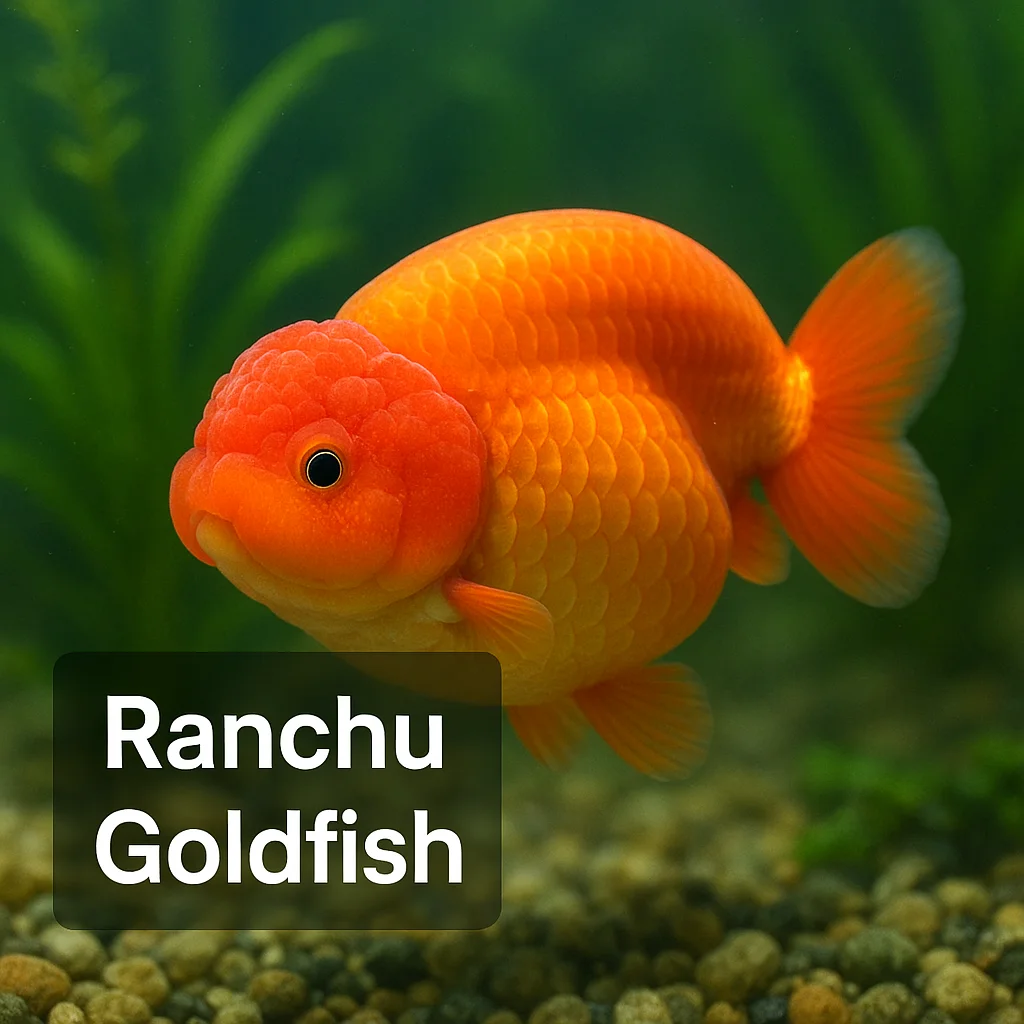
- Common names: Ranchu, Buffalo-head goldfish
- Scientific name: Carassius auratus (varies by strain)
- Freshwater / Marine / Brackish: Freshwater
- Origin: Japan and China, selectively bred in captivity
- Typical adult size range: 5 to 8 inches (12.7 to 20.3 cm)
- Lifespan: Typically 10 to 15 years (varies with care)
- Temperament: Peaceful
- Recommended tank size: Minimum 20 gallons (75 liters), larger preferred
- Water temperature range: 65°F to 75°F (18°C to 24°C)
- pH / Hardness: pH 6.5-7.5; medium hardness
- Diet type: Omnivore
- Activity zone: Bottom
- Social needs: Does well singly or with other peaceful goldfish
- Beginner suitability: Medium
🔍 Identification
Ranchu Goldfish are distinguished by their egg-shaped bodies, absence of a dorsal fin, and prominent wen (head growth). They come in various colors, including red, white, orange, and combinations thereof. They have double caudal and anal fins, creating an elegant silhouette when swimming. Sex differences in Ranchu are subtle, with males sometimes displaying breeding tubercles during spawning seasons. They are often confused with Lionhead goldfish, but Ranchus usually have a more pronounced curve in the back.
- Top ID Tips:
- No dorsal fin
- Prominent, rounded head growth
- Smooth, curved back profile
- Double tail fin
- Color varies: single or multicolored
- Egg-shaped body
- Bottom-dweller behavioral traits
🌍 Origin & Natural Habitat
Ranchu Goldfish do not exist in the wild; they are a product of selective breeding by Japanese and Chinese aquarists. This makes the understanding of their natural requirements directly tied to their aquaculture environment. They are typically housed in calm waters with moderate vegetation. Awareness of their ideal environment helps recreate suitable conditions in aquariums, leading to better overall health and well-being.
🧪 Tank Setup & Water Parameters
When setting up a tank for Ranchu Goldfish, prioritize providing ample swimming space and excellent filtration due to their tendency to produce waste. They thrive in tanks with a sand or smooth gravel substrate to prevent injuries. Low to moderate lighting and some plants or decorations can offer hiding spots for comfort.
- Setup Checklist:
- Minimum 20-gallon tank
- Ample horizontal swimming space
- Robust filtration system
- Gentle water flow
- Heater to maintain stable temperature
- Sandy or smooth gravel substrate
- Plants or gentle decorations
- Low to moderate lighting
🤝 Temperament & Compatibility
Ranchu Goldfish have gentle temperaments, making them ideal for community goldfish tanks. They thrive best when kept with other slow-swimming, peaceful fish that share similar environmental preferences. Conditions for good behavior include not overcrowding the tank. Fast-moving fish or fin-nippers should be avoided as tankmates. Their social nature tends to emerge during feeding times when they actively forage near the substrate.
- Compatibility Notes:
- Best with other goldfish
- Avoid fin-nipping species
- Generally tolerant, but individual behavior varies
- Sociable during feeding
- Potential to be startled by fast swimmers
- Benefit from calm tank environments
🍽️ Diet & Feeding
Ranchu Goldfish are omnivores and benefit from a varied diet. In aquariums, they can be fed high-quality pellets and flakes, along with occasional treats of bloodworms, brine shrimp, and vegetable matter. Feeding should be done in moderate amounts two to three times daily to prevent overeating and associated digestive issues. Regular inclusion of plant-based food helps in balanced nutrition.
- Feeding Tips:
- Use sinking pellets and flakes
- Supplement with vegetables, like peas
- Provide protein, such as bloodworms
- Avoid overfeeding; portion control is key
- Monitor for signs of overfeeding
- Routine feeding times help reduce stress
🧬 Growth, Color Changes & Lifespan
Ranchu Goldfish start as small juveniles, progressively growing into their signature shape. Optimal conditions with plenty of space, proper diet, and low stress levels contribute significantly to achieving their full lifespan, often between 10 to 15 years. Stress indicators include clamped fins and faded colors, which are cues to check water parameters and tank conditions.
🪺 Breeding & Reproduction
Breeding Ranchu Goldfish can be achieved in home aquariums, though it requires controlled water parameters, and the onset of a suitable breeding season—which can be stimulated through water changes and temperature adjustments. They are egg layers, scattering their eggs on plants or spawning mops. Since eggs are often consumed by adults, separating them promptly can ensure survival.
🩺 Common Health Issues & Prevention
Ranchu Goldfish may suffer from common goldfish ailments like ich, fin rot, or swim bladder issues, often linked to poor water quality. Effective prevention strategies include maintaining stable water conditions, quality filtration, and proper diet management. Quarantining new arrivals is crucial to preventing disease introduction into a healthy tank.
- Prevention Basics:
- Regular tank maintenance
- Frequent water tests
- Quarantine new fish
- Avoid overcrowding
- High-quality, balanced diet
- Close monitoring for stress signs
- Adequate filtration system
🌱 Role in the Aquarium
Ranchu Goldfish add significant visual appeal with their aesthetic features and dynamic behavior. In a well-maintained tank, they can be a beautiful centerpiece, promoting a calm and balanced aquarium environment. Ethically, it's essential to procure them from reputable breeders to support sustainable practices within the fishkeeping community.
📉 Conservation & Responsible Keeping
Ranchu Goldfish are captive-bred, highlighting the importance of supporting breeders who maintain ethical practices. Avoid releasing them into the wild, as they do not naturally fit into existing ecosystems and might become invasive. Proper husbandry practices, including thoughtful rehoming considerations, ensure responsible enjoyment and care.
- Responsible Keeping Tips:
- Buy from ethical breeders
- Never release into the wild
- Plan for their full adult size
- Rehome responsibly, if necessary
- Avoid overstocking tanks
- Consider long-term care commitments
📌 Summary
- Recognizable by their dorsal fin absence and rounded body
- Originally bred in Japan and China
- Require 20-gallon minimum tank; bigger is better
- Peaceful temperament; avoid fast or aggressive tankmates
- Omnivorous diet; varied with quality pellets and veggies
- Medium difficulty, rewarding with proper care
- Not suitable for releasing into natural water bodies
- Growth influenced by diet and water quality
- Breeding possible with careful conditions
- Captive-bred; prefer ethically sourced choices
- Watch for common ailments with preventive care
- Ideal for bringing elegance and tranquility to aquariums